
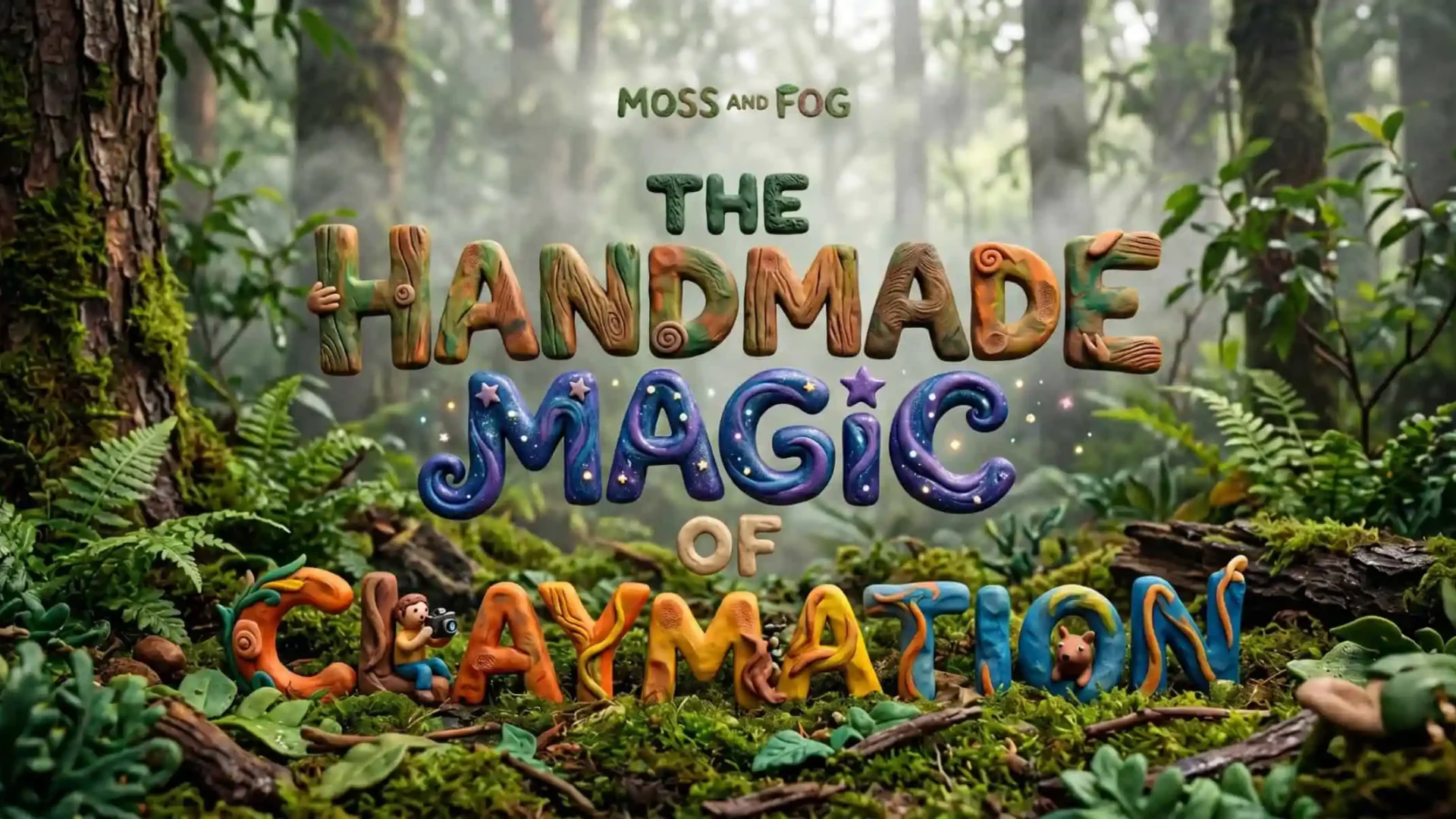
A History of Claymation: Key Films and Artists That Defined the Medium
 Claymation, a form of stop-motion animation using clay figures, has captivated audiences for over a century due to its tactile, handmade charm. Beginning with early experiments like The Sculptor’s Welsh Rarebit in 1908, claymation demonstrated that inanimate objects could be brought to life frame by frame. Pioneers like Willis H. O’Brien and Ray Harryhausen elevated the medium, with Harryhausen developing techniques like Dynamation that integrated animated creatures into live-action films. In the U.S., Art Clokey’s Gumby introduced a playful and emotionally expressive character style, while Will Vinton coined the term ‘Claymation’ and brought the medium to mainstream culture through projects such as Closed Mondays, The Adventures of Mark Twain, and the California Raisins. British studio Aardman, led by Nick Park, gave claymation a golden age with Wallace & Gromit, blending humor, warmth, and cinematic precision. Feature films like Chicken Run proved the commercial viability of stop-motion. The 2000s saw a shift toward darker and more emotionally complex stories, exemplified by Corpse Bride, Coraline, and Mary and Max. Modern works such as ParaNorman, Kubo and the Two Strings, Shaun the Sheep Movie, Missing Link, and Guillermo del Toro’s Pinocchio demonstrate the medium’s technical sophistication and emotional depth. Across decades, claymation remains unique because of its visible craftsmanship, emotional resonance, and enduring charm, emphasizing that handmade storytelling continues to hold artistic significance in a digital age.