
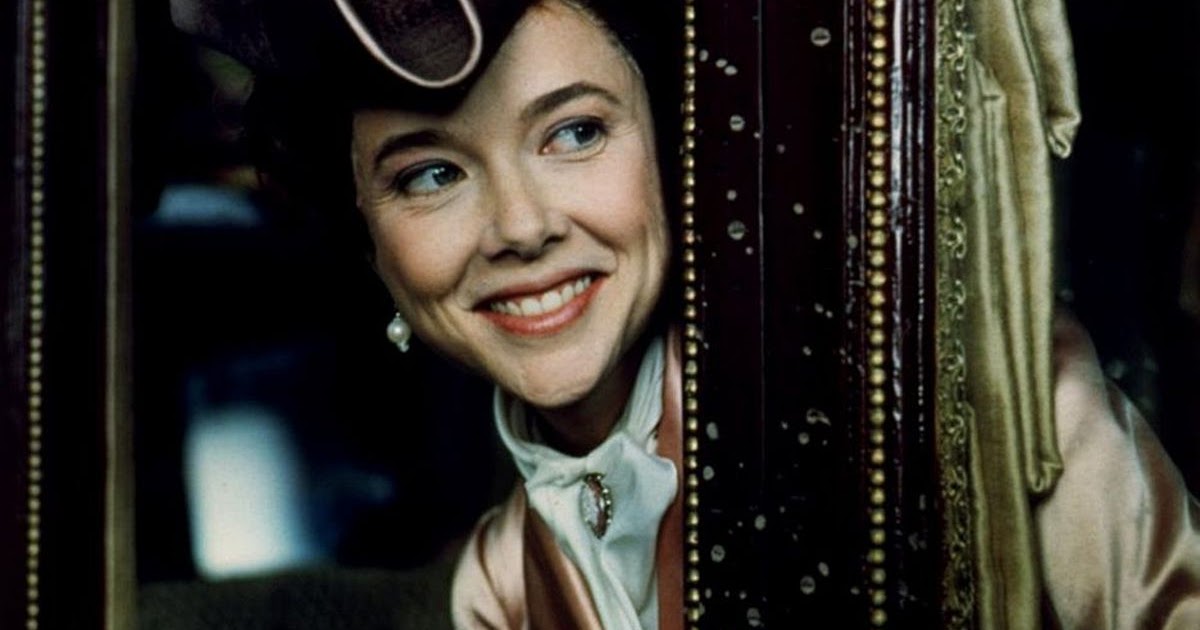
Behind-the-scenes look at Annette Bening’s role as the Marquise de Merteuil in Valmont (1989)
 This article explores behind-the-scenes photographs and context from the production of Miloš Forman’s 1989 period drama “Valmont,” focusing on Annette Bening’s performance as the Marquise de Merteuil. The film is an adaptation of the classic 18th-century novel “Les Liaisons dangereuses” by Choderlos de Laclos and was produced during the same period as Stephen Frears’ competing adaptation, “Dangerous Liaisons,” which was released earlier and achieved greater commercial and critical success. As a result, “Valmont” was often overshadowed despite its artistic merits.
Annette Bening’s portrayal of Merteuil is highlighted as a nuanced and underappreciated performance. Rather than playing the character as overtly cruel or villainous, Bening brought a sense of charm, warmth, and deceptive innocence to the role. This interpretation made Merteuil’s manipulative actions more striking, as her shifts from elegance to calculated strategy were more subtle and psychologically complex. The production emphasized the lighter, more structured tone of Forman’s vision, contrasting with more melodramatic adaptations of the same story.
The article also describes the dynamic between Bening and co-star Colin Firth, who played the title character Valmont. Their on-set chemistry was characterized as playful and competitive, reflecting the story’s themes of emotional manipulation and intellectual rivalry. Additionally, elaborate Rococo-era costumes designed by Theodor Pištěk played an important role in shaping Bening’s performance, reinforcing themes of social constraint and hidden power.
Although “Valmont” did not perform strongly at the box office, Bening’s performance drew attention from filmmaker Stephen Frears, who later cast her in “The Grifters” (1990). That role earned her an Academy Award nomination and helped establish her career in Hollywood. The article ultimately positions these behind-the-scenes images as a glimpse into a pivotal moment in Bening’s early career and a film that has since gained appreciation among period drama enthusiasts.