
How Watching Béla Tarr’s 7.5-Hour Epic Restored Faith in Our Attention Span
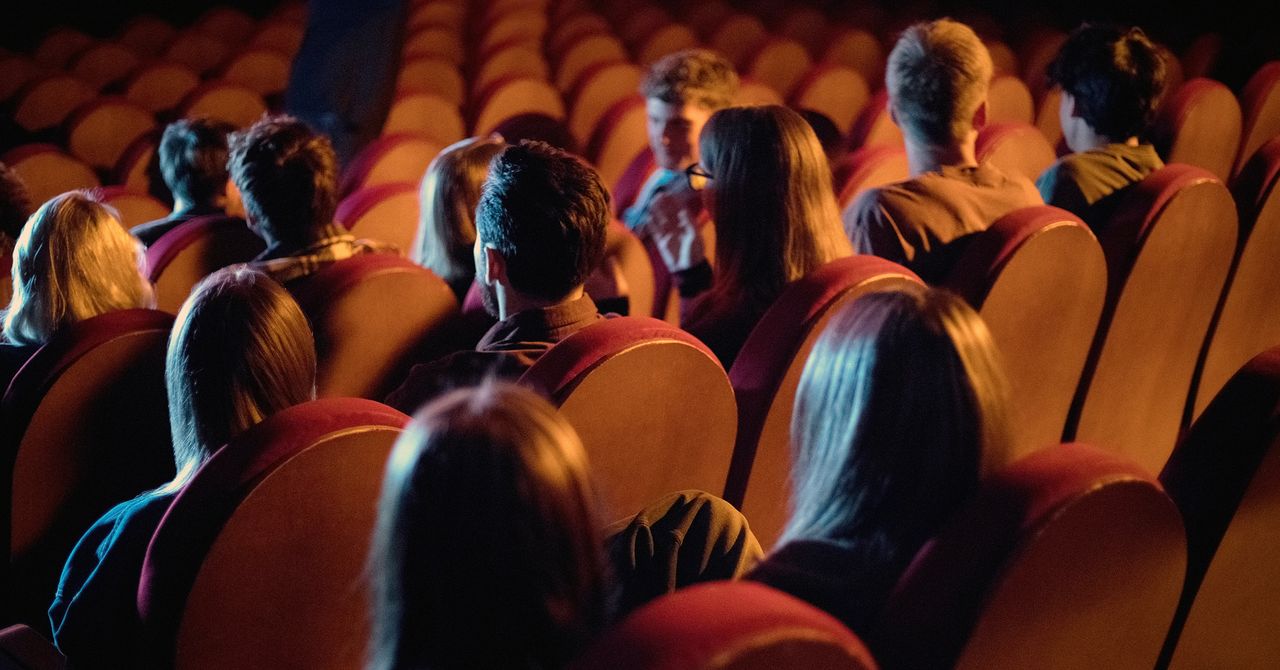
 John Semley’s Wired article explores the experience of watching Béla Tarr’s seven-and-a-half-hour film *Sátántango* in a Manhattan theater and how it challenged modern notions of dwindling attention spans. The 1994 Hungarian masterpiece, famous for its slow pace and long takes, served as the centerpiece of Film at Lincoln Center’s farewell tribute to Tarr after his death in January 2026. The film’s scarcity and its nearly meditative viewing experience attracted over 250 committed viewers willing to sit through 439 minutes of bleak yet poetic cinema. The author reflects on how such an experience feels radical in an age of multitasking, notifications, and endless short-form content. Experts like programmer Tyler Wilson and professor Lexi Turner explain that ‘slow cinema’ demands patience, contemplation, and presence, qualities increasingly absent from modern media habits. As the audience collectively surrendered to the film’s rhythm, details such as rainfall, gestures, and even minor irritations became magnified. Semley emphasizes that watching *Sátántango* in a communal setting—without distractions—transformed it from a mere screening into a test of focus and endurance. Despite initial cynicism, he sees hope: audiences are rediscovering interest in experiences that demand time and attention, from long books to marathon films. The sold-out screenings suggest a counter-movement to digital distraction, proving that deep attention still thrives when given a space to exist.