
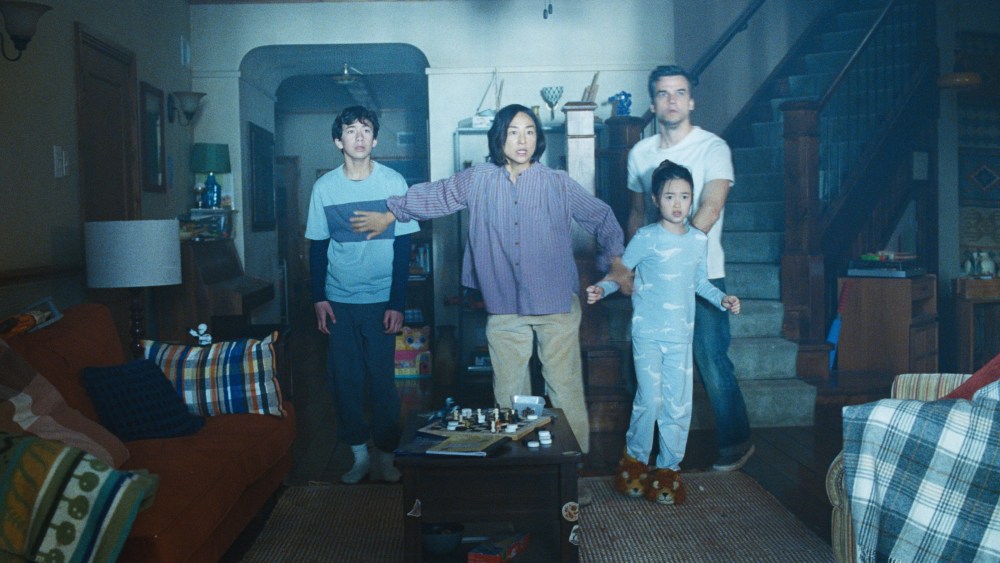
Netflix’s ‘The Last House’ Explores Pandemic-Style Quarantine Drama with Family Tensions
 ‘The Last House’ is a Netflix thriller directed by Louis Leterrier that reimagines the pandemic lockdown experience as a claustrophobic, apocalyptic scenario. The film follows a middle-class Seattle family trapped in their home with no means of escape, exploring themes of isolation, family dynamics, and societal resilience. While the premise leans on science-fiction elements, the story primarily functions as a domestic drama, focusing on the strained relationships between parents Wagner Moura and Greta Lee’s characters and their quarreling children. The film’s strength lies in its grounded performances and meticulous attention to the evolving environment of the house, which becomes both a sanctuary and a prison. Though the plot’s scientific explanations feel underdeveloped, the emotional core of the family’s struggle resonates, particularly in the context of post-pandemic anxieties. Critics praise the film’s atmospheric tension and nuanced character development but question its deeper thematic exploration of climate change and community. Despite its flaws, ‘The Last House’ offers a tense, thought-provoking experience that reflects on how isolation shapes human behavior.