
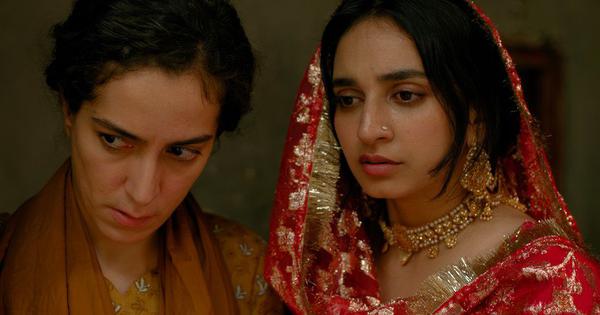
Sarmad Khoosat Discusses ‘Lali’, Family, and Breaking Conventional Boundaries in Pakistani Cinema
 Pakistani filmmaker Sarmad Khoosat discusses his latest feature film ‘Lali’, a Punjabi-language psychodrama exploring the complexities of marriage, family, and gender politics. Set in Sahiwal, Punjab, the film intertwines Sufi beliefs, jinn lore, and contemporary social commentary. Khoosat co-wrote the movie with Sundus Hashmi, and it premiered at the Berlin Film Festival, becoming the first fully Pakistani production to receive this recognition. The narrative centres on Zeba and Sajawal, whose marriage is tested by insecurity, societal pressures, and family dynamics. Khoosat draws inspiration from his upbringing in a creative family and his earlier work in television, which taught him storytelling, budget management, and audience engagement. He highlights the role of women in his films, portraying them as complex, expressive, and central to the narrative. Lali also adapts Nasreen Qureshi’s short story ‘Kaala Kambal’, creatively transforming its elements to explore memory and domestic life. The film combines striking visuals, music by Abdullah Siddiqui, and nuanced performances, aiming to resonate primarily with Pakistani audiences while also being appreciated globally. Khoosat emphasises the importance of authenticity and subversion, reflecting his interest in exploring human desire and societal norms without compromising cultural relevance.