
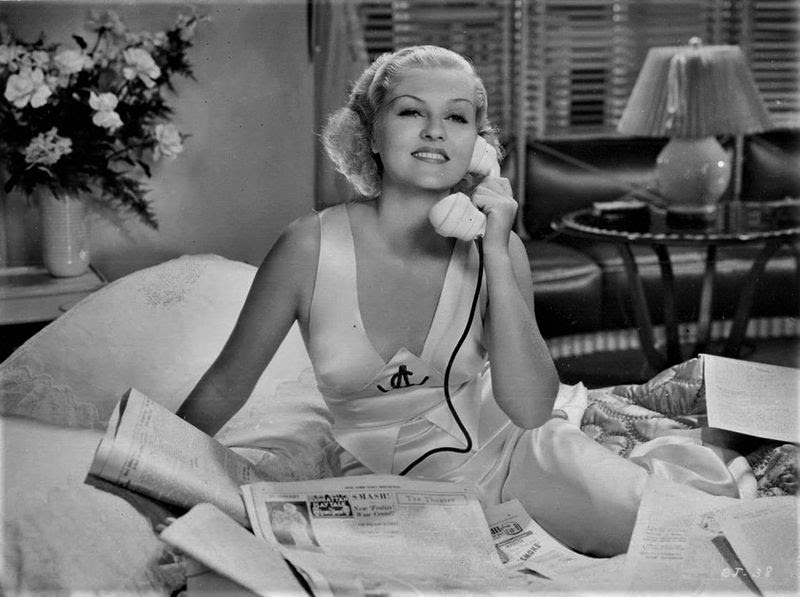
Patricia Ellis: A Prominent Actress of 1930s Hollywood
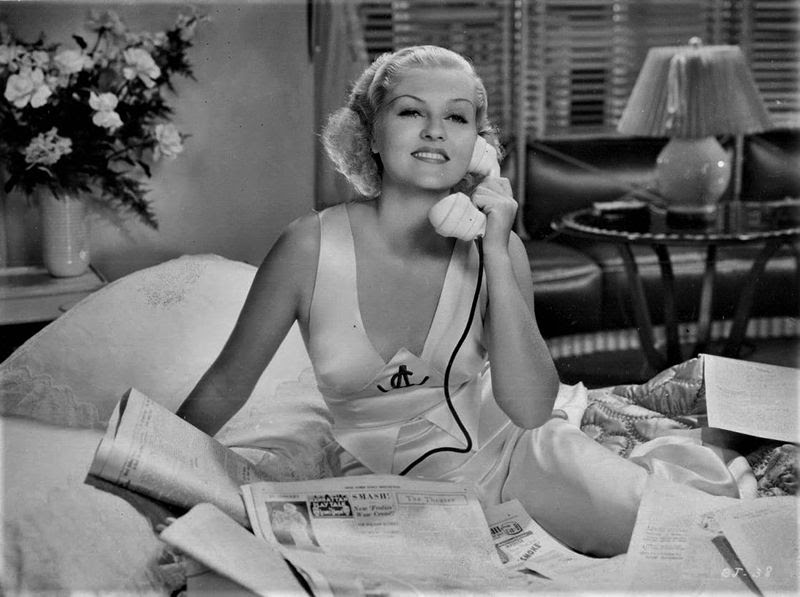 Patricia Ellis (1918–1970) was an American actress who gained prominence in 1930s Hollywood through her lively performances in films produced by Warner Bros. Signed as a teenager, she was selected as a WAMPAS Baby Star in 1932, which marked the beginning of her rise from supporting roles to leading parts in light comedies and other genre films. Ellis became a familiar face in Warner Bros.’ B-movie and mid-budget productions throughout the decade, often appearing alongside notable stars such as James Cagney. Known for her blonde appearance and energetic screen presence, Ellis embodied the youthful and vibrant style of 1930s popular cinema. Her career spanned the early 1930s until her retirement from acting in the early 1940s. The vintage photographs featured in this article capture the charm, energy, and classic 1930s glamour that defined Ellis’s screen persona. These images serve as a testament to her role as a bright star of Warner Bros. Hollywood during a transformative era in film history. The article, published on September 22, 2026, highlights Ellis’s contributions to the entertainment industry and her lasting legacy as a representative of 1930s Hollywood cinema. The Vintage Everyday website, which focuses on historical and nostalgic content, provides a platform for revisiting the golden age of Hollywood through its collection of vintage photographs and articles. The publication’s emphasis on preserving and sharing the visual history of the 1930s underscores its commitment to celebrating the cultural and artistic achievements of that era. Ellis’s career, though relatively short-lived, remains a significant part of Hollywood’s history, reflecting the industry’s evolution during the 1930s. Her work in light comedies and genre pictures helped shape the cinematic landscape of the time, contributing to the popularity of Warner Bros. as a major studio in the film industry. The article serves as a reminder of the many talented actresses who contributed to Hollywood’s golden age, many of whom have been overlooked in modern retrospectives. By focusing on Ellis’s career and the era she represented, the article offers a valuable glimpse into the entertainment industry of the 1930s and its enduring influence on contemporary cinema.