
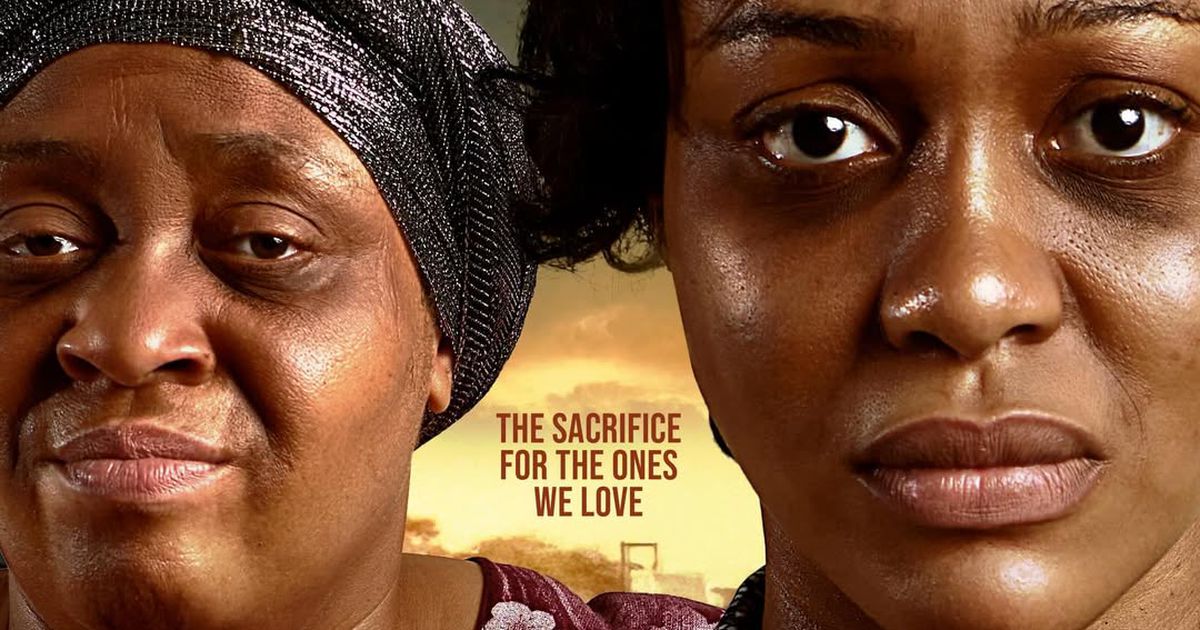
Uche Montana’s Monica highlights the burden of ‘black tax’ on firstborn daughters
 Uche Montana’s YouTube film Monica don spark serious conversation about the heavy responsibility many firstborn daughters carry for African families. The story follow Monica, a young woman wey dey juggle family duties, apprenticeship, and personal sacrifice from a very young age. From helping her mother’s business to taking care of her siblings, her life revolve around making sure everybody else dey okay, even when e cost her own happiness and future.
At first, Monica’s actions fit into the usual idea of a “good daughter” — hardworking, selfless, and loyal to family. But as the film go on, that image begin break. Wetin start as love and duty slowly turn into pressure, emotional manipulation, and even exploitation, especially from her mother. The film take time build this tension, making viewers feel the weight of everything Monica dey go through without quick resolution.
One major talking point na the concept of “black tax,” where one person, often the first child, carry financial and emotional responsibility for the whole family. The movie show how this expectation fit limit personal growth, like when Monica’s education get denied or when her needs constantly ignored. Even her siblings, wey she sacrifice for, later betray her, adding another layer of pain.
Although some viewers talk say the timeline no too clear and the story stay in one emotional tone, the film still connect deeply with audiences. Millions of views on YouTube and strong reactions online show say many people see their own reality inside Monica’s experience.
Beyond entertainment, the film open up a bigger discussion about family boundaries, emotional abuse, and how far responsibility should go before it turns into self-neglect. It also reflect the growing trend of Nollywood filmmakers using digital platforms to reach wider audiences directly.