
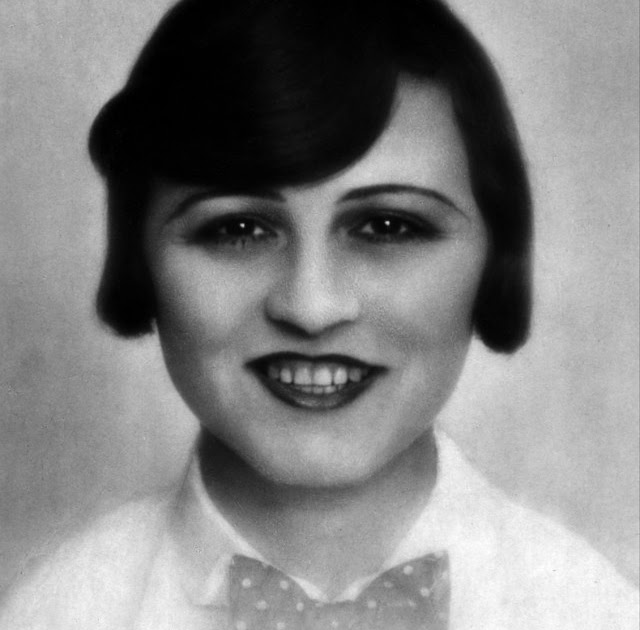
Hanni Weisse: Pioneering Silent Film Star of Early German Cinema
Hanni Weisse (October 16, 1892 – December 13, 1967) was a German stage and film actress who appeared in 146 films between 1912 and 1942. She transitioned from classical music to become one of the earliest great divas of German silent cinema during the 1910s. Weisse began her career training as a cellist before shifting to theater in 1910, performing in minor roles at Berlin’s Thalia Theater and Luisentheater. By 1912, she joined the Royal Belvedere Dresden ensemble and embarked on a national tour. Film director Max Mack discovered her in Berlin and signed her to Vitascope production company. Weisse made her film debut in Max Mack’s short films in 1912, quickly rising to leading-lady status. Her breakout success came with Albert Bassermann in Der Andere (The Other, 1913), widely recognized as one of the first artistically demanding German films. She remained highly prolific through the mid-1910s, starring in notable films such as Richard Oswald’s wartime drama Das eiserne Kreuz (The Iron Cross, 1914) and Lache Bajazzo (Laugh Bajazzo, 1915). Weisse closed out the decade establishing her status as a dramatic powerhouse with projects including Zwischen zwei Welten (1919) alongside Bruno Kastner, the thriller The Spies (1919), and her critically praised performance as an alcoholic mother in E.A. Dupont’s Alcohol (1919). By the end of the 1910s, Weisse was a household name, paving the way for her continued success as a major cinematic star throughout the 1920s.