
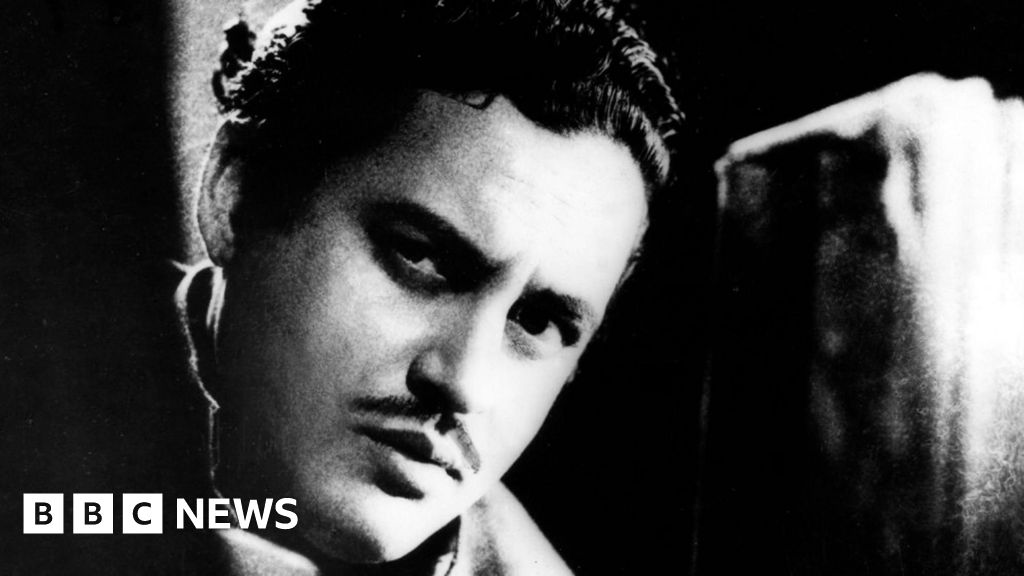
The Personal Struggles and Cinematic Legacy of Guru Dutt
Guru Dutt, one of India’s most iconic film directors and actors, died at the age of 39 in 1964, leaving behind a legacy of cinematic brilliance. His work, such as ‘Pyaasa’ and ‘Kaagaz Ke Phool’, tackled profound themes of loneliness, artistic struggle, and societal disillusionment, and has become a cornerstone of Indian cinema. However, Dutt’s life was marked by intense personal turmoil. Despite initial success, including critical acclaim for ‘Pyaasa’, his mental health began to deteriorate. He struggled with depression, insomnia, and substance abuse, which were exacerbated by the pressures of his career and personal life. Dutt’s dedication to his craft was immense—he reportedly shot 104 takes of the climax of ‘Pyaasa’, and his obsession with perfectionism took a toll on his well-being. His personal life was equally turbulent, including a failed marriage and strained relationships. Tragically, Dutt’s life ended prematurely, and the true extent of his emotional and mental struggles was not widely acknowledged at the time. His posthumous recognition has sparked reflections on what might have been had he lived longer. Dutt’s films, however, continue to inspire filmmakers and cinephiles to this day.