
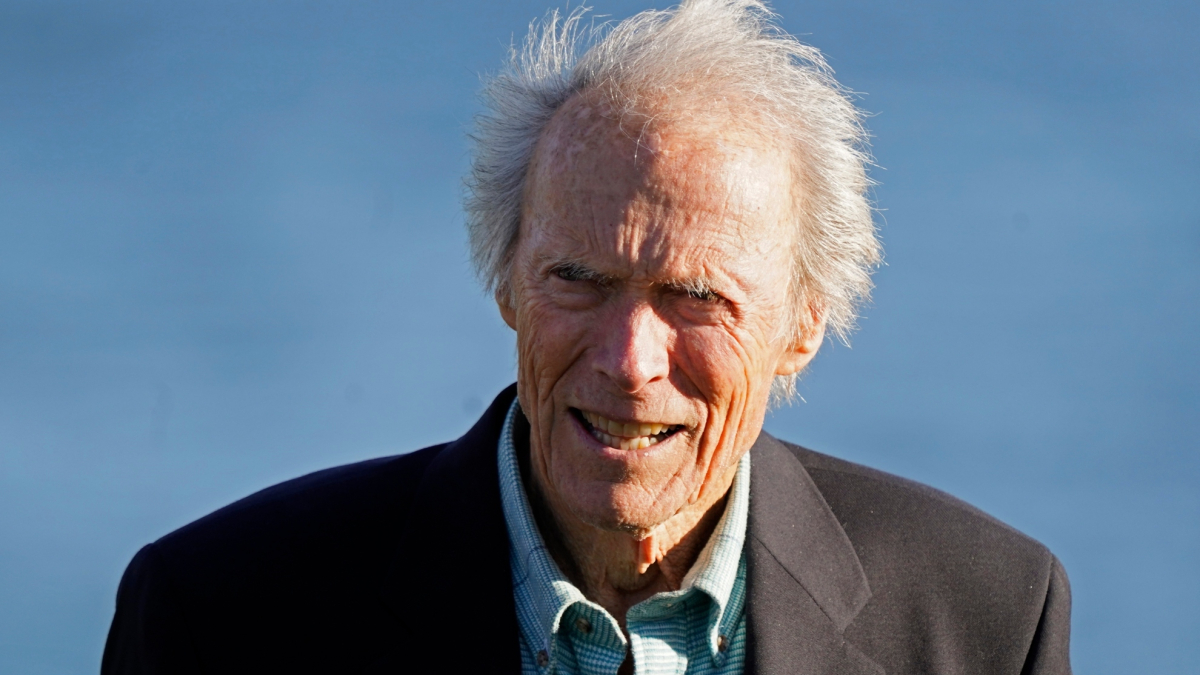
Clint Eastwood Reflects on Career Philosophy: ‘Take Things Into Your Own Hands’ for Positive Change
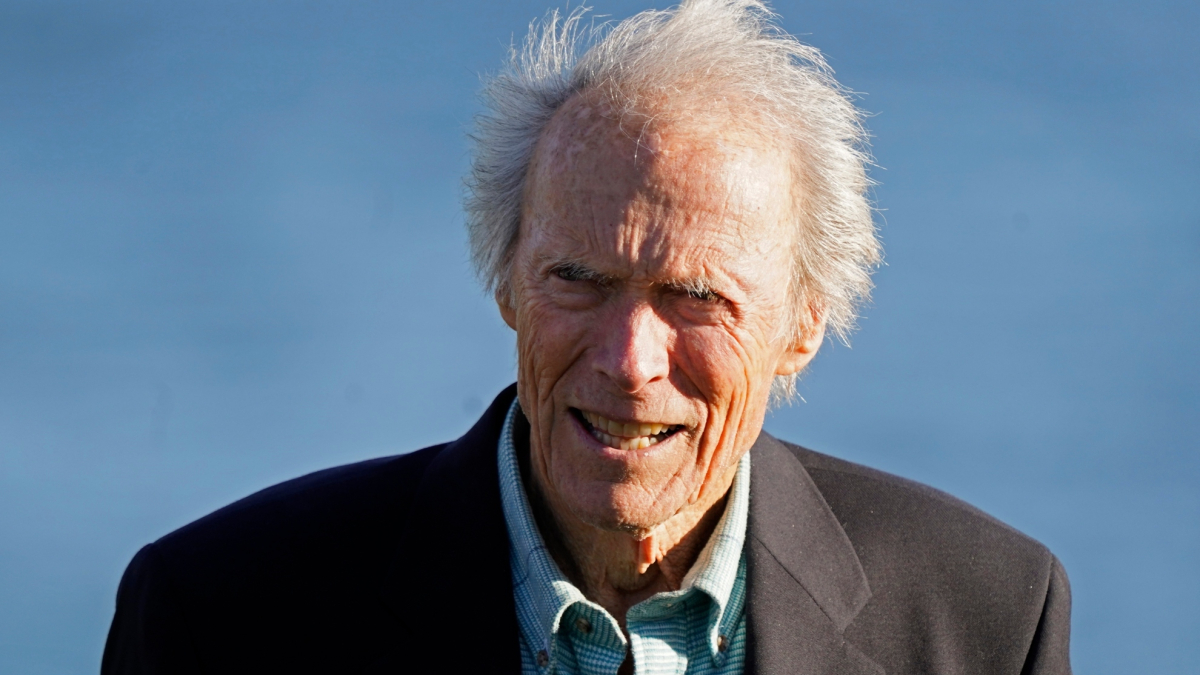 Clint Eastwood, the renowned actor and filmmaker, has long embodied a career philosophy centered on independence, resilience, and personal responsibility. His famous quote, “Sometimes if you want to see a change for the better, you have to take things into your own hands,” encapsulates the approach that has defined his seven-decade journey in Hollywood. Eastwood’s career began with roles in television, such as his breakthrough on “Rawhide,” before he became an international sensation through Sergio Leone’s Italian Westerns, including the “Dollars” trilogy. Rather than remaining confined to Westerns, Eastwood expanded his influence by transitioning from acting to directing, a move that would become equally significant to his legacy. His directorial debut, “Play Misty for Me” (1971), marked the start of a prolific career behind the camera, producing acclaimed films like “Unforgiven” (1992), which earned him Best Director and Best Picture at the Oscars, and “Million Dollar Baby” (2005), another Oscar-winning success. Eastwood’s directing style is known for its economy, avoiding unnecessary takes and allowing performances to develop organically. This approach mirrors his personal philosophy, as reflected in his other quotes, such as “My whole life has been one big improvisation” and “Every movie I make teaches me something.” Eastwood, who turned 96 in May 2026, has effectively retired from acting and directing after a career spanning over 70 films. His final directorial work, “Juror No. 2” (2024), continued his pattern of moving between genres, from Westerns to courtroom dramas. The quote about taking matters into one’s own hands is not merely motivational but a reflection of Eastwood’s career trajectory—repeatedly creating new opportunities for himself beyond the roles initially assigned to him. His influence extends beyond individual characters, making him one of Hollywood’s most enduring figures, with a career evolution from Western star to Oscar-winning filmmaker standing as one of the most notable in American cinema. Eastwood’s legacy demonstrates how taking initiative can lead to transformative change, both in personal artistic journeys and broader cultural impact.