
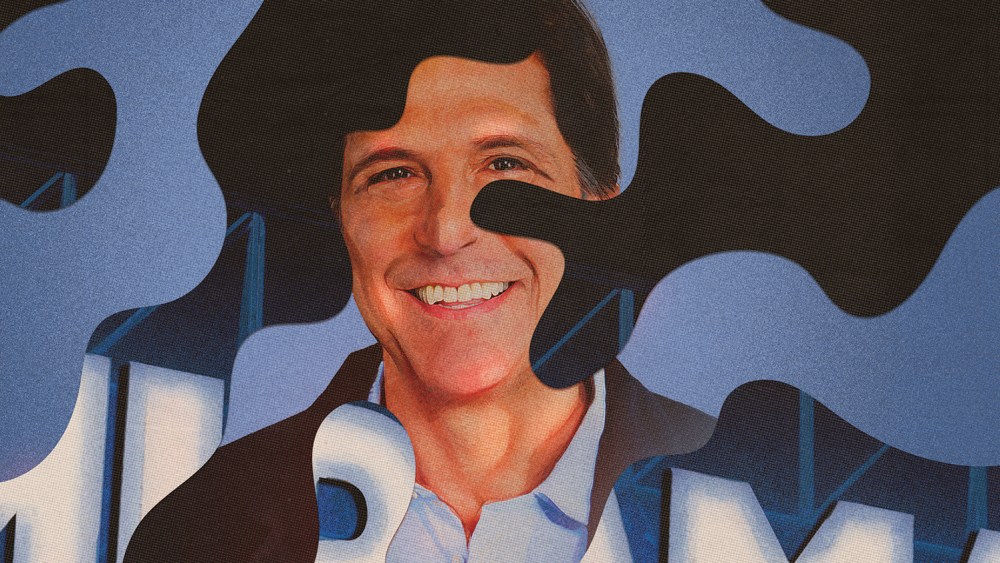
Miramax’s Strategy for a Post‑Weinstein Era: Reviving the Library While Backing Original Films
One year after Jonathan Glickman took the reins, Miramax is trying to transform a once‑dominant indie label still shadowed by the Weinstein legacy into a modern, creator‑friendly studio. Glickman’s core tactic is two‑fold: mine Miramax’s 700‑film catalog for reboots that involve the original talent, and finance cost‑controlled original pictures that can start new franchises. The executive’s first major win was persuading Marlon, Shawn and Keenen Ivory Wayans to return for a fresh **Scary Movie** after granting them profit participation and creative control—an olive branch after years of grievances with Harvey and Bob Weinstein.
Similar overtures are being made across the slate. Robert Rodriguez will produce a sequel to **The Faculty**, James Mangold is steering a **Cop Land** series, and Jennifer Lopez is producing a television take on **Shall We Dance**. In parallel, feature film budgets for non‑franchise bets will hover between $30‑50 million, offset by back‑end deals; star‑driven examples include Liam Neeson’s action thriller **4 Kids Walk Into a Bank**, Sydney Sweeney’s romantic drama **Scandalous!**, and Colman Domingo’s Sammy Davis Jr. biopic.
Although Miramax considered rebranding after Weinstein’s 2017 downfall, audience research showed the label still signals quality, so Glickman is focused on “refreshing, not renaming.” International expansion is encouraged by majority owner BeIN Media, while the pending Skydance‑Paramount merger could further leverage Miramax IP. The company also plans small‑screen adaptations of classics such as **Gangs of New York**, **Chocolat**, **The English Patient**, and even commercial misfires like **The Shipping News**, betting they can flourish as region‑specific series. For Glickman, success hinges on balancing fiscal discipline with “zig‑when‑others‑zag” originality: replenishing the library while building new hits for contemporary audiences.