
Dhurandhar: A Controversial Spy Thriller Stirring Debate in India and Pakistan
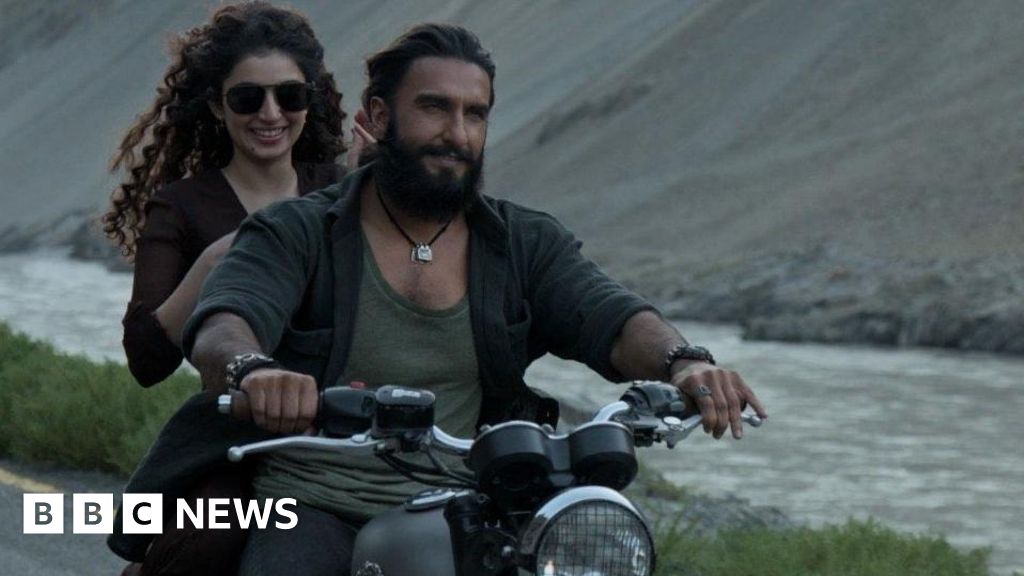
The new Bollywood film *Dhurandhar*, directed by Aditya Dhar and starring Ranveer Singh, has sparked intense debate in both India and Pakistan for its depiction of the ongoing tensions between the two nations. Released last week, the film blends high-energy espionage, violent gang wars, and patriotic fervor. Singh plays Hamza, an Indian spy on a mission in Karachi who confronts criminal networks while wrestling with personal struggles and nationalism-fueled duty.
While audiences have praised its cinematic ambition and gripping action, the film has been criticized for its hyper-nationalistic tone and the portrayal of Pakistan as lawless and hostile. Filmmaker Aditya Dhar, known for his earlier hit *Uri: The Surgical Strike* (2019) and *Article 370* (2024), continues his focus on politically charged narratives inspired by real events. *Dhurandhar* references major historical incidents such as the 1999 plane hijacking, the 2001 Indian parliament attack, and the 2008 Mumbai terror assault, weaving them into a fictionalized plot.
The film’s release reignited debates about nationalism in Indian cinema, especially regarding films that blur the line between realism and propaganda. Critics argue that such works oversimplify complex geopolitical histories, while supporters claim they reflect patriotic pride and untold truths. In Pakistan, reactions mirrored this divide: publications like *Dawn* denounced the film’s portrayal of Karachi and its depiction of the Pakistan Peoples Party as sympathetic to militancy. Despite criticism and controversy, *Dhurandhar* has become one of the year’s biggest hits, illustrating Bollywood’s ongoing role in shaping narratives around India-Pakistan relations.