
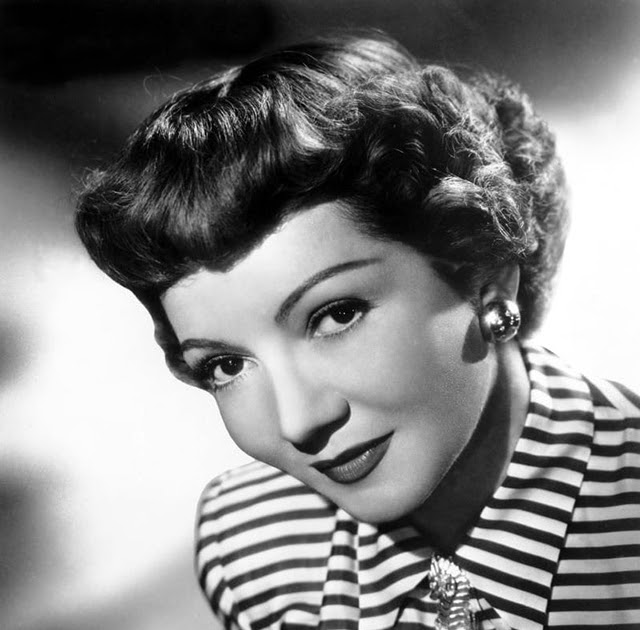
Claudette Colbert’s Career Transition in the 1950s: From Hollywood to Broadway and Television
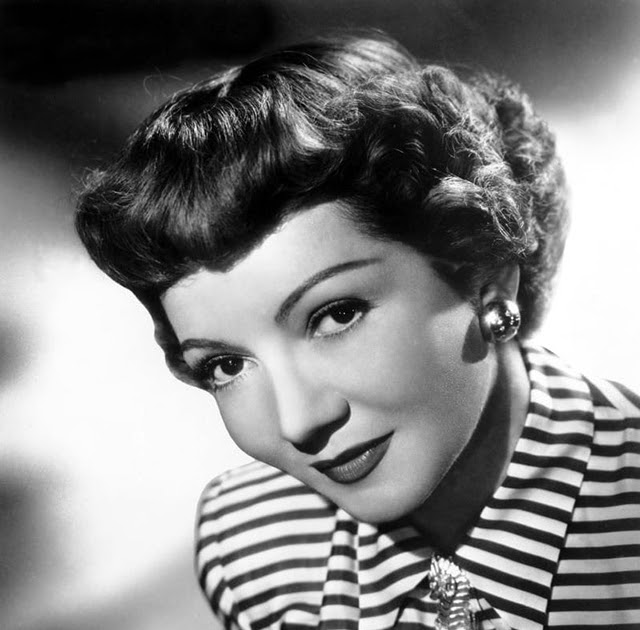 Claudette Colbert, born on September 13, 1903, and passing away on July 30, 1996, experienced a significant career shift during the 1950s. Initially a prominent figure in Hollywood films, she gradually moved away from mainstream cinema as her box-office appeal diminished. Colbert leveraged her early theater background to successfully transition into television and Broadway stage roles. Her career trajectory in the 1950s began with a notable setback: she was originally cast as Margo Channing in the 1950 film ‘All About Eve,’ but had to withdraw due to a severe back injury sustained while filming ‘Three Came Home’ just days before production began. The role was subsequently given to Bette Davis, who delivered an iconic performance. As Hollywood’s studio system evolved and opportunities for women over 40 dwindled, Colbert pivoted early to live television anthology dramas and stage performances. She guest-starred in high-profile television programs such as ‘The Ford Television Theatre,’ ‘General Electric Theater,’ ‘Climax!,’ and ‘Playhouse 90.’ Her theatrical comeback was particularly successful with her 1958 Broadway role in ‘The Marriage-Go-Round,’ co-starring Charles Boyer, which earned her a Tony Award nomination for Best Actress in a Play. While she took on fewer film roles during this decade, Colbert still appeared in select domestic and international films, including ‘The Secret Fury’ (1950), ‘Thunder on the Hill’ (1951), and ‘Si Versailles m’était conté…’ (1954). This period marked a significant adaptation in her career, demonstrating her versatility and resilience in the face of industry changes.