
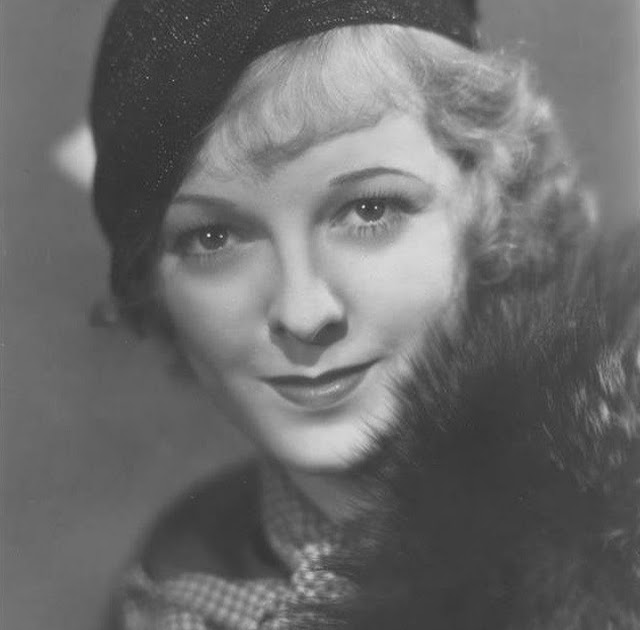
Marian Nixon: A Hollywood Leading Lady of the 1930s Transitioning from Silent Films to Sound
Marian Nixon, born Marja Nissinen on October 20, 1904, and passing away on February 13, 1983, was an American film actress known for her roles in over 70 films. During the 1930s, Nixon experienced significant career shifts, moving from being a highly sought-after leading lady in early sound films to retiring from Hollywood by 1936. She was recognized for her wholesome ‘girl-next-door’ image, successfully navigating the industry’s transition into the talkie era. Nixon began her decade-long journey with a role alongside John Barrymore in General Crack (1930). In 1932, she starred in the high-profile adaptation of Rebecca of Sunnybrook Farm with Ralph Bellamy and also appeared in Winner Take All with James Cagney. She continued to secure notable roles, working with director John Ford in Pilgrimage (1933) and co-starring with Will Rogers in Doctor Bull (1933). In 1934, she attempted to break away from her typecast image by taking a comedic role in We’re Rich Again, though the film did not achieve commercial success. After a series of lower-budget films, Nixon retired from acting at age 32 in 1936, with her final film appearances in Tango and Captain Calamity. Her career trajectory reflects the broader changes in Hollywood during the early sound era, highlighting the challenges and adaptations required for actors during this pivotal period in film history.